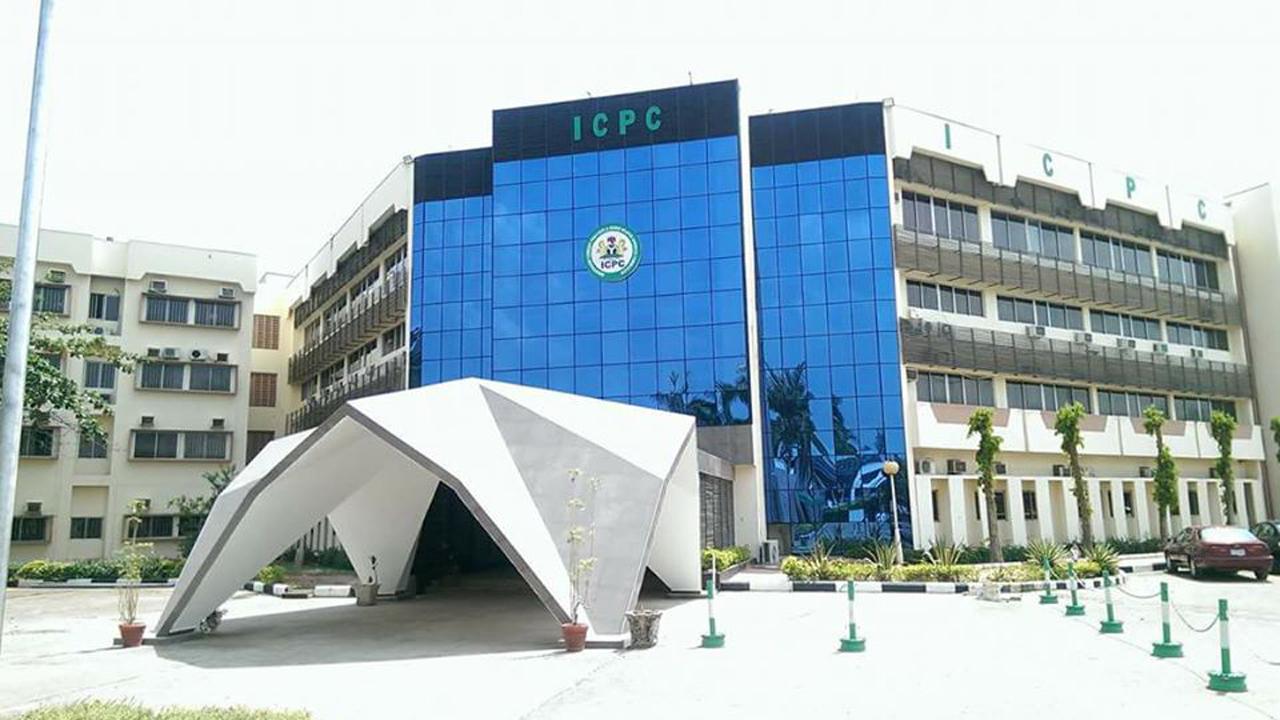
Independent Corrupt Practices and Other Related Offences Commission, popularly known as ICPC, is one of Nigeria’s major anti-corruption agencies established to investigate and prevent corrupt practices in public institutions.
The commission plays a central role in promoting transparency, accountability, and ethical conduct within Nigeria’s public sector.
How the ICPC Was Established
The ICPC was established in 2000 under the Corrupt Practices and Other Related Offences Act during the administration of former President Olusegun Obasanjo.
Its creation followed increasing public concerns about corruption in government institutions and Nigeria’s commitment to strengthening anti-corruption reforms.
The commission’s headquarters is located in Abuja.
Functions of the ICPC
The ICPC is responsible for:
- Investigating corruption-related offences
- Prosecuting corrupt public officials
- Preventing bribery and abuse of office
- Educating the public on anti-corruption ethics
- Reviewing government systems vulnerable to corruption
- Promoting integrity in public institutions
The commission focuses heavily on corruption prevention and institutional reforms.
Difference Between ICPC and EFCC
While both the ICPC and the EFCC fight corruption, the agencies operate with different priorities.
The ICPC mainly focuses on public sector corruption, abuse of office, and institutional reforms, while the EFCC handles broader financial crimes including money laundering, cybercrime, and advance fee fraud.
Both agencies often collaborate on major investigations involving financial misconduct.
Major Investigations and Public Attention
Over the years, the ICPC has investigated several corruption cases involving government ministries, agencies, educational institutions, and public officials.
The agency also monitors constituency projects and public spending to ensure government funds are properly utilized.
Its anti-corruption campaigns frequently attract national attention, especially during investigations involving public office holders.
Public Education and Anti-Corruption Campaigns
Apart from enforcement activities, the ICPC regularly organizes public awareness programs, school campaigns, and integrity initiatives aimed at reducing corruption in society.
The agency promotes ethical behavior and accountability through partnerships with schools, civil society groups, and government institutions.
Challenges and Criticism
Despite its anti-corruption efforts, the ICPC has faced criticism from some observers over delays in prosecutions, political influence concerns, and limited enforcement powers.
However, supporters argue that the agency remains important in promoting institutional accountability and corruption prevention.
ICPC’s Role in Nigeria Today
Today, the ICPC continues to serve as a key institution in Nigeria’s anti-corruption framework, focusing on prevention, investigation, and public education.
Its operations remain central to national efforts aimed at improving transparency and strengthening governance systems.
What do you feel about this post?

Like

Love

Happy

Haha

Sad