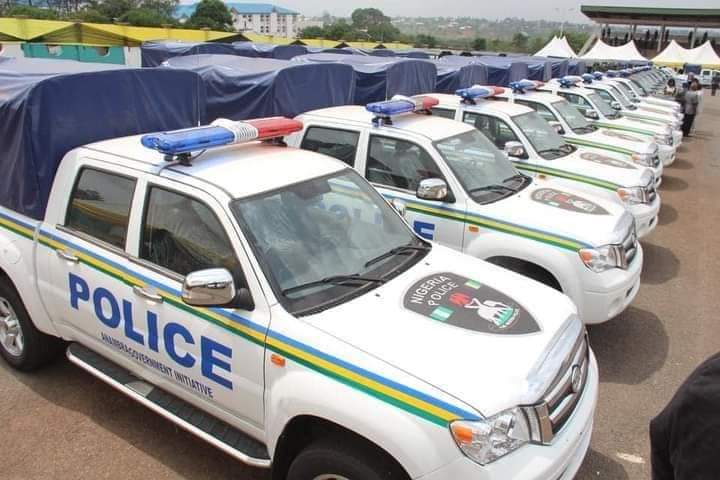
Nigeria Police Force, commonly known as the NPF, is the primary law enforcement agency responsible for maintaining peace, enforcing laws, and protecting lives and property across Nigeria.
The force plays a central role in Nigeria’s internal security structure and operates in all 36 states and the Federal Capital Territory.
History of the Nigeria Police Force
The origins of the Nigeria Police Force date back to the colonial era when local constabulary units were established by the British administration to maintain order in different regions.
Over time, these units were merged into a centralized national police system following Nigeria’s independence in 1960.
Today, the Nigeria Police Force operates under the supervision of the Federal Government and remains one of the country’s largest security institutions.
Headquarters and Structure
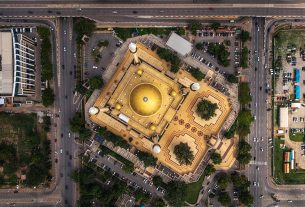
The headquarters of the Nigeria Police Force is located in Abuja.
The agency is headed by the Inspector-General of Police (IGP), who oversees commands, departments, tactical units, and state police formations nationwide.
Specialized divisions within the force include:
- Criminal Investigation Department (CID)
- Anti-Kidnapping Units
- Cybercrime Units
- Traffic and Highway Patrol
- Counter-Terrorism Units
- Special Tactical Squads
Functions of the Nigeria Police Force
The main responsibilities of the NPF include:
- Preventing and investigating crimes
- Arresting suspects
- Maintaining public order
- Protecting lives and property
- Enforcing laws and regulations
- Supporting national security operations
Police officers are also involved in election security, traffic management, and emergency response operations.
Operations and Security Challenges
The Nigeria Police Force handles various security issues including armed robbery, kidnapping, cybercrime, cultism, and terrorism-related threats.
In recent years, authorities have increased efforts to modernize policing operations through improved intelligence gathering, digital surveillance, and tactical training.
However, the agency continues to face challenges such as manpower shortages, funding concerns, and public criticism over misconduct and human rights issues.
Police Reforms and Public Attention
Calls for police reform intensified following nationwide protests against police brutality and misconduct in recent years.
The government and police authorities have since introduced reforms aimed at improving professionalism, accountability, and public trust within the force.
Role in Nigeria Today
Despite ongoing challenges, the Nigeria Police Force remains one of the most important institutions responsible for law enforcement and public safety in the country.
Its officers continue to operate across cities, highways, rural communities, and border areas to combat crime and maintain national security.
What do you feel about this post?

Like

Love

Happy

Haha

Sad