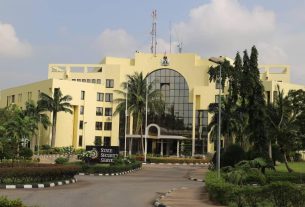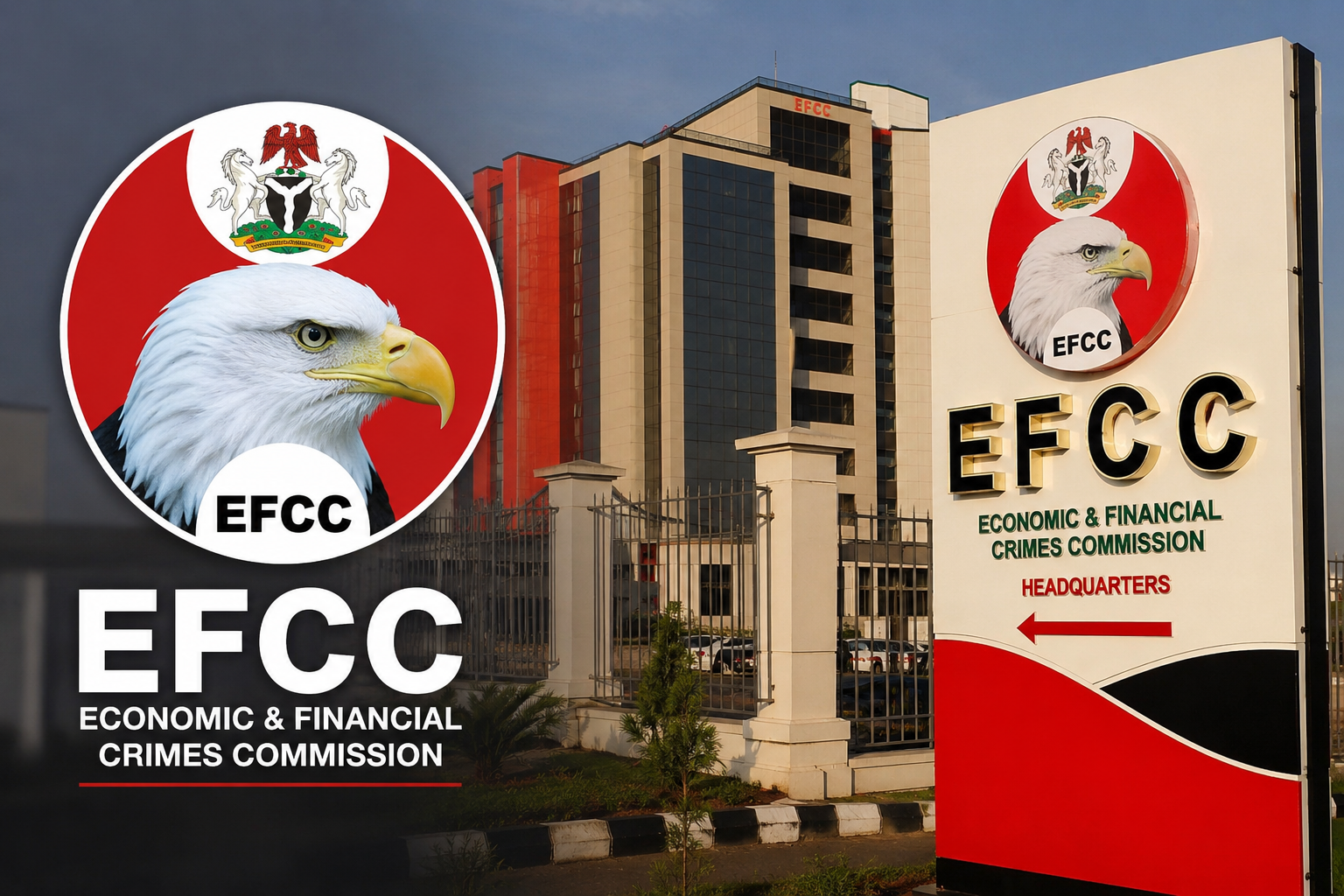
Economic and Financial Crimes Commission, popularly known as EFCC, is one of Nigeria’s leading law enforcement agencies responsible for investigating and prosecuting financial crimes and corruption-related offences.
Since its establishment in 2003, the EFCC has played a major role in Nigeria’s anti-corruption efforts, targeting internet fraud, money laundering, public sector corruption, and other economic crimes.
How EFCC Was Created
The EFCC was established by the Nigerian government in response to growing concerns over corruption, financial fraud, and international pressure to combat money laundering and cybercrime.
The agency was officially created under the Economic and Financial Crimes Commission (Establishment) Act of 2003 during the administration of former President Olusegun Obasanjo.
Its creation marked a significant step in Nigeria’s efforts to strengthen transparency and financial accountability.
Functions of the EFCC
The EFCC is responsible for investigating and prosecuting various financial and economic crimes, including:
- Advance fee fraud (popularly known as 419 fraud)
- Internet scams and cybercrime
- Money laundering
- Public sector corruption
- Terrorism financing
- Illegal financial transactions
The agency also collaborates with international law enforcement bodies in tracking cross-border financial crimes.
Major Operations and Public Attention
Over the years, the EFCC has handled several high-profile corruption and fraud cases involving politicians, government officials, celebrities, and internet fraud suspects.
The agency frequently carries out raids and arrests linked to cybercrime activities, especially in major cities across Nigeria.
Its operations often attract national attention due to the scale of investigations and recovered assets.
Leadership and Headquarters
The headquarters of the EFCC is located in Abuja, while the commission operates zonal offices across different states in Nigeria.
The agency has had several chairpersons since its establishment, with each administration focusing on different anti-corruption strategies and enforcement priorities.
Challenges and Criticism
Despite its achievements, the EFCC has faced criticism from some Nigerians over allegations of selective prosecution, political interference, and human rights concerns during certain operations.
However, supporters argue that the agency remains an important institution in Nigeria’s fight against corruption and financial crimes.
EFCC’s Role in Nigeria Today
Today, the EFCC continues to play a major role in anti-corruption enforcement, cybercrime investigations, and financial intelligence gathering.
As internet fraud and digital financial crimes continue to evolve, the commission remains one of Nigeria’s most visible agencies in tackling economic offences and promoting accountability.
What do you feel about this post?

Like

Love

Happy

Haha

Sad