Every day, millions of Nigerians consume medicines, food, beverages, cosmetics, and household products without knowing what happens behind the scenes to ensure those products are safe.
Yet hidden from public view is a government agency engaged in a constant battle against counterfeit drugs, substandard products, illegal manufacturers, and criminal networks seeking to profit from unsafe goods.
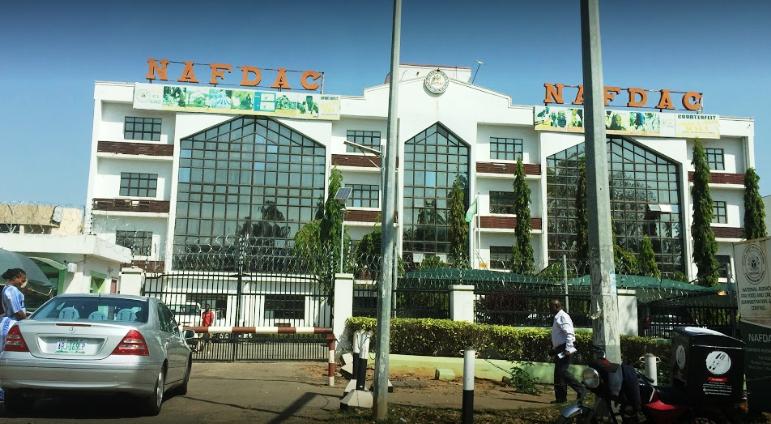
That agency is the National Agency for Food and Drug Administration and Control (NAFDAC).
From raiding illegal drug warehouses to shutting down counterfeit food factories, NAFDAC has become one of Nigeria’s most visible regulatory institutions and one of the country’s first lines of defense against products that could threaten public health.
But nearly three decades after its creation, questions remain about the scale of the challenge and whether the agency can keep pace with an increasingly sophisticated counterfeit industry.
Why NAFDAC Was Created
Before NAFDAC came into existence, Nigeria faced growing concerns over fake pharmaceuticals, unregulated food products, and weak quality control systems.
The situation became so alarming that public health experts warned of the dangers posed by counterfeit medicines circulating in markets and pharmacies.
In response, the Federal Government established NAFDAC in 1993 through Decree No. 15, later incorporated into Nigerian law.
The agency was given a clear mandate: regulate and control the manufacture, importation, exportation, distribution, advertisement, sale, and use of food, drugs, cosmetics, medical devices, chemicals, and packaged water.
Its mission was straightforward but ambitious — protect Nigerians from harmful products.
The Multi-Billion Naira Counterfeit Industry
Counterfeit products remain one of the biggest threats confronting regulators globally.
In Nigeria, fake medicines and substandard consumer products have repeatedly surfaced in markets, open drug stores, and informal distribution channels.
Experts warn that counterfeit drugs can lead to treatment failure, drug resistance, severe health complications, and even death.
The financial incentives are enormous.
A single successful counterfeit operation can generate millions of naira for criminal networks while exposing consumers to significant risks.
This reality has turned NAFDAC’s work into more than routine regulation; it has become a public health and national security issue.
What Exactly Does NAFDAC Do?
While many Nigerians associate NAFDAC primarily with drug regulation, the agency’s responsibilities are much broader.
It regulates food products, pharmaceuticals, cosmetics, bottled water, chemicals, medical devices, and various consumer goods.
Before many products can be legally sold in Nigeria, they must undergo registration and approval processes overseen by the agency.
NAFDAC also conducts inspections, laboratory testing, surveillance operations, and enforcement activities designed to ensure compliance with safety standards.
In addition, the agency investigates complaints from consumers and collaborates with security agencies to combat illegal manufacturing and distribution networks.
Raids, Seizures and Enforcement Operations
Over the years, NAFDAC has conducted numerous enforcement operations across the country.
These operations have resulted in the seizure and destruction of counterfeit medicines, expired food items, falsified cosmetics, and other unsafe products.
In some cases, officials have uncovered warehouses stocked with fake drugs worth hundreds of millions of naira.
Such discoveries often highlight the scale of the challenge facing regulators.
Industry observers say enforcement remains one of NAFDAC’s most important tools, particularly in markets where counterfeit goods can easily enter supply chains.
The Public Health Impact
The agency’s influence extends beyond regulation.
Its activities directly affect public health outcomes across Nigeria.
Safe medicines help patients recover from illnesses.
Proper food regulation reduces health risks.
Effective product monitoring strengthens consumer confidence and protects lives.
When regulatory systems fail, the consequences can be severe.
This explains why public health experts often describe agencies like NAFDAC as critical institutions within the healthcare ecosystem.
Challenges Facing NAFDAC
Despite its achievements, the agency continues to face significant obstacles.
Counterfeiters are becoming increasingly sophisticated, often using technology, fake packaging, and complex distribution networks to evade detection.
The rise of online commerce has also created new challenges for regulators seeking to monitor products sold through digital platforms.
Additionally, Nigeria’s large population and extensive informal markets make enforcement particularly difficult.
Experts argue that stronger collaboration between regulators, manufacturers, healthcare professionals, security agencies, and consumers will be essential in addressing these challenges.
Looking Ahead
As Nigeria’s pharmaceutical, food, and consumer goods sectors continue to expand, the importance of effective regulation is expected to grow.
The emergence of new technologies, changing consumer habits, and global supply chains means that regulatory agencies must constantly adapt.
For NAFDAC, the mission remains as relevant today as it was when the agency was established more than 30 years ago: protecting Nigerians from unsafe products and ensuring public confidence in the goods they consume every day.
The Bottom Line
Few government agencies interact with the daily lives of Nigerians as directly as NAFDAC.
Whether through the medicines in hospital pharmacies, the packaged food on supermarket shelves, or the bottled water consumed across the country, the agency’s influence reaches millions of people.
While the battle against counterfeit and unsafe products continues, NAFDAC remains one of the key institutions standing between consumers and potentially dangerous goods.
For many Nigerians, its success is not merely a regulatory issue — it is a matter of public safety.
What do you feel about this post?

Like

Love

Happy

Haha

Sad