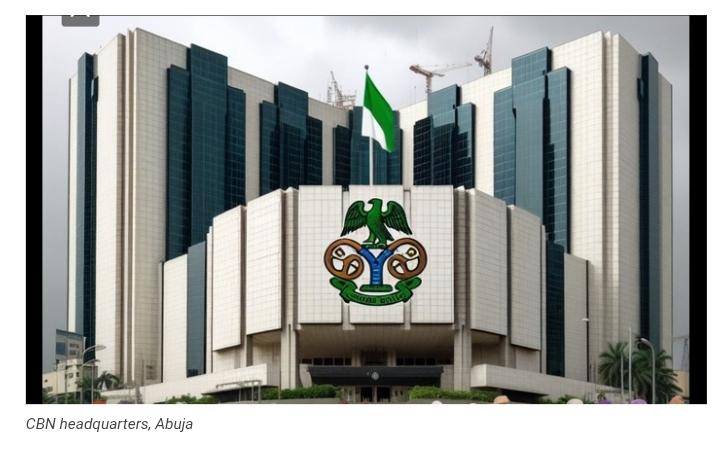
The Central Bank of Nigeria (CBN) remains one of the most influential institutions in Nigeria’s economic and financial landscape. As the nation’s apex bank, the CBN is responsible for formulating monetary policies, maintaining financial stability, regulating commercial banks, and safeguarding the value of the Nigerian currency.
Established more than six decades ago, the Central Bank of Nigeria has played a central role in the country’s economic development, overseeing critical financial reforms and responding to economic challenges ranging from inflation to currency management.
Origin of the Central Bank of Nigeria
Before the creation of the Central Bank of Nigeria, banking operations in the country were largely controlled by foreign financial institutions during the colonial era. At the time, Nigeria lacked a central monetary authority responsible for regulating financial activities and managing currency circulation.
The foundation for establishing the CBN was laid following recommendations contained in the report of the G.D. Paton Commission in 1952. The commission examined Nigeria’s banking structure and recommended the creation of a central bank.
Consequently, the Central Bank of Nigeria Act was passed in 1958, leading to the official establishment of the institution. The CBN commenced operations on July 1, 1959, becoming Nigeria’s primary monetary authority.
Why the CBN Was Created
The Central Bank of Nigeria was established to provide a structured framework for monetary and financial management in the country. Its creation was intended to strengthen confidence in Nigeria’s financial system and support economic growth.
The institution was also tasked with regulating the banking sector and ensuring a stable financial environment for businesses, investors, and consumers.
Core Functions of the Central Bank of Nigeria
The CBN performs several critical responsibilities that influence the Nigerian economy.
Monetary Policy Management
One of the bank’s primary functions is formulating and implementing monetary policies aimed at controlling inflation, stabilizing prices, and supporting economic growth.
Currency Issuance
The Central Bank of Nigeria has the exclusive authority to issue Nigeria’s legal tender, the Naira. It also oversees the circulation, redesign, and withdrawal of currency notes and coins.
Banking Sector Regulation
The apex bank supervises commercial banks, microfinance banks, and other financial institutions to ensure compliance with regulatory standards and maintain financial system stability.
Foreign Exchange Management
The CBN plays a major role in managing Nigeria’s foreign exchange reserves and implementing policies that affect exchange rates and international transactions.
Government Banker
The institution serves as banker, financial adviser, and fiscal agent to the Federal Government of Nigeria.
Headquarters and Presence
The headquarters of the Central Bank of Nigeria is located in Abuja, the Federal Capital Territory. The institution also maintains branches across various states of the federation to support its nationwide operations.
Over the years, the CBN has expanded its reach through initiatives designed to improve financial inclusion, encourage digital banking, and strengthen access to financial services across urban and rural communities.
Leadership of the CBN
The Central Bank of Nigeria is led by a Governor appointed by the President of Nigeria and confirmed by the National Assembly.
Several notable governors have headed the institution since its establishment, contributing to policy reforms and financial sector development at different periods in Nigeria’s history.
The Governor works alongside deputy governors and the Monetary Policy Committee, which helps shape monetary decisions affecting interest rates, inflation management, and economic stability.
Impact on Nigeria’s Economy
The Central Bank of Nigeria has played a significant role in supporting economic development through various intervention programs and financial policies.
Its actions influence inflation rates, lending activities, foreign exchange markets, and investment confidence. Decisions taken by the CBN often affect businesses, consumers, and investors across the country.
The institution has also introduced policies aimed at strengthening local production, supporting agriculture, boosting small businesses, and promoting financial technology innovation.
Challenges Facing the CBN
Like many central banks around the world, the CBN faces challenges including inflationary pressures, exchange rate volatility, foreign reserve management, and maintaining confidence in the financial system.
As Nigeria continues to navigate economic reforms and global market uncertainties, the institution remains central to efforts aimed at achieving sustainable economic growth and financial stability.
Since commencing operations in 1959, the Central Bank of Nigeria has remained the cornerstone of Nigeria’s financial system. From managing monetary policy and regulating banks to issuing the national currency and supporting economic development, the institution continues to play a crucial role in shaping the country’s economic future.
As Nigeria’s economy evolves, the Central Bank of Nigeria is expected to remain at the forefront of efforts to promote financial stability, economic resilience, and sustainable growth.
What do you feel about this post?

Like

Love

Happy

Haha

Sad